How to Prepare Your Roof for Kentucky Winters
Kentucky winters bring ice storms, freeze-thaw cycles, and heavy snow. Here's exactly how to winterize your roof and avoid costly damage before the cold hits.
TNT Roofing Team
Author
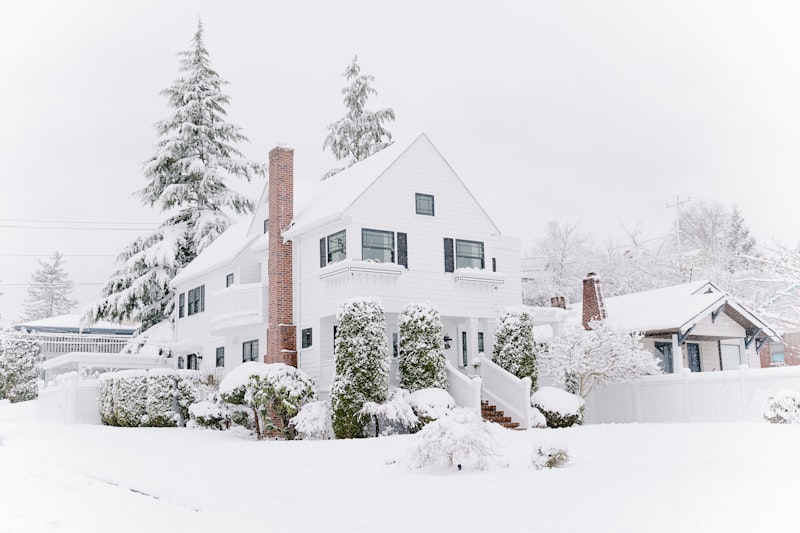
How to Prepare Your Roof for Kentucky Winters
Northern Kentucky winters are no joke. Ice storms, heavy snow, sub-zero wind chills, and the brutal freeze-thaw cycle that follows put tremendous stress on your roof. A little preparation in the fall can prevent thousands in winter damage.
Why Winter Is Hardest on Kentucky Roofs
Unlike states with consistent cold, Kentucky gets the worst of both worlds:
- Ice storms that load thousands of pounds of ice on your roof
- Freeze-thaw cycles — temperatures that drop below freezing at night and rise above during the day, expanding and contracting every crack and gap
- Ice dams — the #1 cause of winter roof damage in Northern Kentucky
Step 1: Get a Professional Inspection in October
Before the first freeze, have your roof professionally inspected. Look for:
- Cracked, missing, or curling shingles
- Compromised flashing around chimneys and skylights
- Clogged or damaged gutters
- Deteriorated caulking around all roof penetrations
Any of these issues will be dramatically worse after a winter of ice and cold. Fix them now while costs and conditions are manageable.
Step 2: Clean Your Gutters Completely
Clogged gutters are the primary cause of ice dams in Northern Kentucky. When gutters can't drain, snowmelt pools at the eaves, freezes, and creates a dam that forces water back up under your shingles.
Clean gutters in late October or early November — after most leaves have fallen but before the first hard freeze. Also:
- Check that all downspouts are unobstructed
- Ensure downspouts direct water away from your foundation
- Consider installing gutter guards
Step 3: Check Your Attic Insulation and Ventilation
Ice dams are caused by heat escaping from your living space through the attic, melting snow on the roof, which then refreezes at the cold eaves.
The solution is a cold attic — one that stays close to outdoor temperatures:
- Seal all air leaks between living space and attic
- Ensure adequate insulation (R-49 recommended for Kentucky)
- Verify ridge vents and soffit vents are unobstructed
Step 4: Inspect and Seal Flashing
Metal flashing around chimneys, skylights, and vents is particularly vulnerable to Kentucky's freeze-thaw cycles. The repeated expansion and contraction breaks down caulk and opens gaps.
Have all flashing resealed before winter — this is one of the most common sources of winter leaks.
Step 5: Trim Overhanging Trees
Heavy ice and snow accumulation on tree branches over your roof is a recipe for disaster. Trim any branches that hang over your roofline before winter.
What to Do During Winter
- After heavy snow: Use a roof rake (from the ground only) to remove snow from the lower 3-4 feet of your roof
- If you spot an ice dam: Don't chip at it — you'll damage shingles. Call us for safe removal
- If you see a leak: Place buckets, photograph everything, then call us immediately — we offer emergency tarping 24/7
Emergency Tarping Available 24/7
If your roof is compromised mid-winter, don't wait. TNT Roofing & Restoration LLC provides 24/7 emergency tarping and repairs throughout Northern Kentucky and Greater Cincinnati.
📞 Call or text (859) 529-4507 — available around the clock for emergencies.